


When you decide to invest in a buy-to-let residential property, you’re not just buying a house; you’re starting a business. And like any successful business, it requires a strategic approach, careful financial planning, and a deep understanding of your market. The mindset shifts from finding a place you’d love to live in to acquiring an asset that generates predictable cash flow. This means you need to think like a CEO, focusing on key metrics like rental yield, operating costs, and return on investment. This guide will walk you through the essential business principles of property investment, helping you build a solid foundation for a profitable venture.
Key Takeaways
- Budget for the Full Cost of Ownership: A successful investment accounts for everything from the initial deposit and legal fees to ongoing costs like maintenance, insurance, and potential vacancies. A complete budget is your best tool for calculating true profitability.
- Make Strategic, Not Emotional, Choices: The best investments are found by researching locations with high rental demand, choosing a property that suits your target tenant, and calculating the potential return on investment. Data should always guide your decision.
- Active Management is Key to Long-Term Success: Being a landlord means more than collecting rent. You must screen tenants thoroughly, handle maintenance quickly, and stay on top of legal duties. If you prefer a hands-off approach, a professional management service can handle these responsibilities for you.
What Is a Buy-to-Let Property?
If you’re exploring property investment, you’ve likely come across the term ‘buy-to-let.’ But what does it actually mean to own one? At its core, a buy-to-let is an investment vehicle. Instead of buying a place to call home, you’re purchasing a property to generate income through rent. Getting a clear picture of the basics, from what defines a buy-to-let to your legal duties, is the first step toward making a smart investment.
The Fundamentals of Buy-to-Let
A buy-to-let property is one you purchase with the primary goal of renting it out to tenants. It’s a popular investment strategy for generating a steady rental income and, ideally, benefiting from long-term property value growth. Think of it less as buying a house and more as acquiring an income-generating asset. This approach often involves a specific type of financing called a buy-to-let mortgage, which is tailored for investors rather than someone buying their own home. It’s a straightforward concept that sets the foundation for your entire investment journey.
Buy-to-Let vs. Buying a Home to Live In
When you’re house-hunting for yourself, you focus on personal taste. But when you’re buying rental property, your mindset needs to shift from personal comfort to profitability. This property is a business asset, and your decisions should reflect that. As the owner, you become a landlord, which comes with a new set of responsibilities. You’ll be in charge of finding tenants, handling maintenance, collecting rent, and managing the finances. It’s a hands-on role, but it’s also one where having a professional team to guide you can make all the difference.
Know the Legal Requirements
Stepping into the role of a landlord means you also need to get familiar with the legal side of things. This isn’t the most glamorous part of property investment, but it’s crucial for protecting yourself and your tenants. You’ll need to understand the laws around tenancy agreements, how to handle security deposits correctly, and the proper procedures for eviction. Getting to grips with these legal requirements ensures you’re operating fairly and lawfully, which helps prevent disputes. When you invest in rental property, having expert guidance helps you stay compliant and confident.
What Are the Costs of a Buy-to-Let Investment?
Thinking about a buy-to-let investment is exciting, but it’s crucial to go in with a clear understanding of all the costs involved. The sticker price of the property is just the beginning. A successful investment hinges on accurately budgeting for everything from the initial purchase fees to the day-to-day running costs you’ll face as a landlord. Getting this right from the start prevents surprises down the line and helps you accurately calculate your potential returns.
Many first-time investors focus solely on the deposit and mortgage payments, but there’s a wider financial picture to consider. You’ll have upfront costs like legal fees and taxes, as well as ongoing expenses such as maintenance, insurance, and potentially management fees. Thinking through these numbers helps you build a solid business plan for your property. It ensures your rental income will comfortably cover all outgoings and still leave you with a healthy profit. Below, we’ll break down the key costs you need to budget for so you can move forward with confidence.
Your Deposit and Mortgage Options
The first major cost you’ll encounter is the deposit for your buy-to-let mortgage. Unlike a standard residential mortgage, lenders typically require a larger down payment for investment properties, usually around 25% of the property’s value. While some lenders may offer deals with deposits as low as 20% or even 15%, these often come with higher interest rates or additional fees, which will impact your monthly cash flow.
Putting down a larger deposit can secure you a better mortgage rate, reducing your monthly payments and increasing your profitability from day one. It’s worth exploring your options and seeing how different deposit amounts affect the mortgage deals available to you. This initial investment is your foundation, so getting it right is key.
Factor in Additional Purchase Costs
Beyond your deposit, there are several other one-time fees associated with purchasing your property. It’s essential to budget for these to avoid any last-minute financial strain. These costs typically include Stamp Duty Land Tax (SDLT), which has a surcharge for second homes and buy-to-let properties. You’ll also need to pay for legal services to handle the conveyancing process, as well as survey fees to ensure the property is structurally sound.
Depending on the property, you might also need to set aside funds for initial repairs, redecoration, or furnishing to get it ready for tenants. Tallying up these expenses beforehand gives you a true picture of the total capital you’ll need to get your investment off the ground.
Plan for Ongoing Expenses and Fees
Once you own the property, your spending doesn’t stop. To be a successful landlord, you need to plan for a range of ongoing expenses. A good rule of thumb is the “50% rule,” which suggests that about half of your gross rental income will go toward operating costs. These include routine maintenance and repairs, for which many investors budget 1% to 3% of the property’s value annually.
You’ll also need landlord insurance to protect your investment. If you decide you want a hands-off experience, you’ll need to factor in property management fees, which typically range from 8% to 12% of the monthly rent. Don’t forget to account for potential void periods when the property is empty between tenants.
Understand the Tax Implications
Tax is one of the most significant ongoing costs for any landlord, and the rules can be complex. You will need to pay Income Tax on your rental profits, and it’s important to understand what you can and cannot claim as an expense. A major change in recent years affects how landlords get tax relief on their mortgage interest payments.
Previously, you could deduct mortgage interest from your rental income before calculating your tax bill. Now, you receive a tax credit equivalent to the basic rate of tax on your interest payments. This change can push some landlords into a higher tax bracket, even if their net profit hasn’t increased. Because tax rules can change, it’s always a good idea to consult with a financial advisor.
How to Find a Profitable Buy-to-Let Property
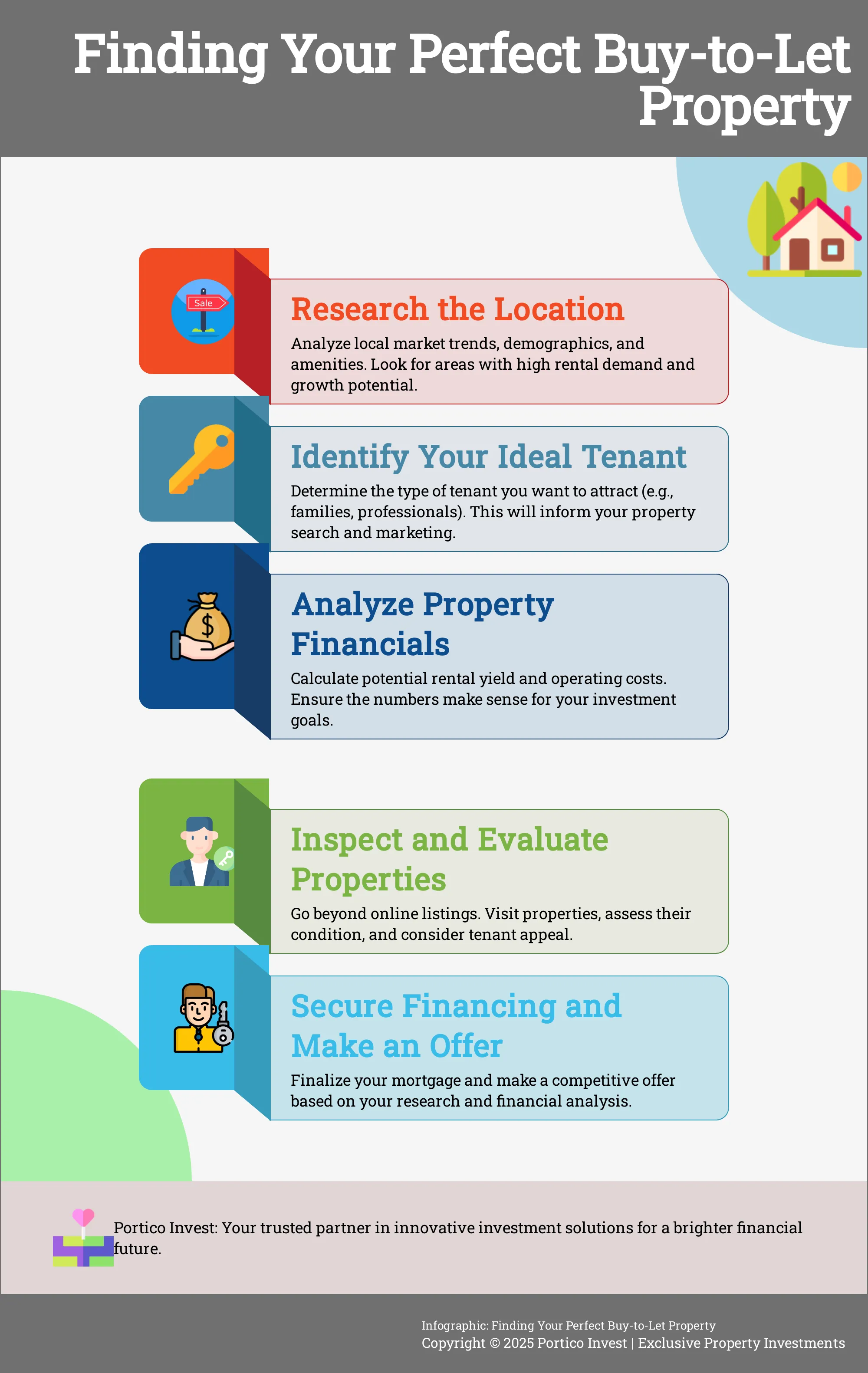
Finding the right investment property is about more than just picking a house you like; it’s about making a strategic business decision. The most successful buy-to-let investments start with thorough research and a clear understanding of your goals. By focusing on the right location, property type, and financials from the very beginning, you set yourself up for long-term rental success. Think of this as the foundational work that makes everything else—from finding tenants to managing the property—run more smoothly. Let’s walk through the key steps to identify a property that will work hard for you.
Research the Right Location
You’ve heard it a thousand times, but it’s true: location is everything in property investment. A great property in a poor location will always be a struggle, while a modest property in a prime area can be a goldmine. When you research potential areas, look for signs of a healthy, growing community. Key features include good schools, low crime rates, and convenient access to shops, parks, and public transportation. A strong local job market is also a huge plus, as it attracts a steady stream of potential tenants. Dig into the local council’s development plans to see what’s on the horizon—new transport links or business parks can signal future growth and higher rental demand.
Choose the Best Property Type
Next, consider what kind of property best fits your investment strategy and the location you’ve chosen. Are you interested in a single-family home, a duplex, or a modern apartment? Each has its own pros and cons. For example, a new-build apartment often requires less initial maintenance, making it a great hands-off option. On the other hand, some investors prefer a “fixer-upper” they can renovate to add value, though this requires more time and capital upfront. Your choice should align with your desired level of involvement and the needs of your target tenants. A rent-ready property is often the simplest path for first-time investors looking for immediate cash flow.
Know Your Ideal Tenant
The best property type is heavily influenced by the tenants you want to attract. Your location and property should work together to appeal to a specific demographic. For instance, a sleek one-bedroom apartment near a city’s business district will likely attract young professionals, while a larger home in a quiet, suburban neighborhood is perfect for families. Thinking about your ideal tenant helps you make smarter decisions. It guides everything from the amenities you offer to how you market the property. Creating a clear picture of who you’re serving makes it much easier to find someone who will love the home and stay for the long term.
How to Calculate Rental Yield
To determine if a property is a good investment, you need to run the numbers. Rental yield is a simple calculation that shows your annual return on investment. A common way to figure this out is by calculating your cash-on-cash return. First, estimate your total annual rental income. Then, subtract all your yearly operating expenses—like mortgage payments, insurance, taxes, and maintenance—to find your Net Operating Income (NOI). Finally, divide your NOI by the total cash you invested (your deposit plus closing costs). This percentage gives you a clear, standardized way to compare the profitability of different properties and make a data-driven decision.
Key Financials to Track
A profitable buy-to-let is one where you’ve accounted for all the costs, not just the mortgage. Experienced investors plan for ongoing expenses from day one. A good rule of thumb is to set aside at least 1% of the property’s value each year for repairs and maintenance. You should also anticipate that your total operating costs—including everything from property management fees to taxes and insurance—will likely fall somewhere between 35% and 80% of your gross rental income. Tracking these financials carefully ensures you have a realistic view of your cash flow and helps you build a sufficient emergency fund for any unexpected issues.
How to Set the Right Rent
Setting the right rent is one of the most important decisions you’ll make as a landlord. Price it too high, and you risk long, costly vacancy periods that eat into your profits. Price it too low, and you leave money on the table, hurting your cash flow and overall return on investment. The goal is to find that sweet spot: a competitive price that attracts high-quality tenants quickly while ensuring your property remains a profitable asset.
Think of it as a strategic balance. You need to cover your mortgage, taxes, insurance, and maintenance costs, all while staying aligned with what the local market will bear. Getting this right from the start sets the foundation for a successful buy-to-let journey. It not only impacts your monthly income but also influences the type of tenants you attract and how smoothly your investment runs. A well-priced property sends a message of professionalism and value, which can lead to longer tenancies and fewer headaches down the road. Let’s walk through the key steps to determine the perfect rental price for your property.
Analyze the Local Rental Market
Before you can set a price, you need to become an expert on your local rental scene. Start by researching comparable properties, or “comps,” in your area. Look for rentals that are similar to yours in size, number of bedrooms and bathrooms, and overall condition. Pay close attention to what they’re currently renting for. This research will give you a solid baseline. You should also check rental prices and vacancy rates in the neighbourhood. A high number of empty rentals might suggest the market is saturated, and you may need to price more competitively. Conversely, if demand is high and properties are renting quickly, you might have more flexibility to set a higher price.
Price Based on Property Condition
Tenants are willing to pay more for a property that feels modern, clean, and well-maintained. The condition of your rental has a direct impact on its value. Simple upgrades like a fresh coat of paint, new flooring, or modern light fixtures can make a huge difference. A renovated kitchen or an updated bathroom can be major selling points that justify a higher rent. A nicer, updated property can usually charge more rent. While you don’t need to do a full-scale renovation, investing in key areas can help your property stand out and attract tenants who are willing to pay a premium for quality.
Let Location Guide Your Price
They say real estate is all about “location, location, location,” and that’s especially true when setting your rent. The specific features of your property’s neighbourhood play a huge role in what tenants are willing to pay. Is it in a good school district? Is it close to public transport, parks, and shops? These are all factors that add value. When you invest in rental property, you should look for areas with a growing job market and amenities that appeal to your ideal tenant. A property in a safe, walkable neighbourhood with a strong sense of community will almost always command a higher rent than a similar property in a less desirable area.
Cover Your Operating Costs
Your rental income needs to do more than just cover the mortgage payment. To ensure your investment is actually profitable, you have to account for all your operating expenses. These include property taxes, landlord insurance, regular maintenance, and potential repairs. It’s also wise to set aside funds for vacancy periods. A good rule of thumb is to expect your operating costs to be a significant percentage of your gross rental income. By calculating these expenses accurately, you can set a rental price that not only covers your costs but also generates a healthy cash flow each month, which is the ultimate goal of a buy-to-let investment.
Set a Competitive Rate
Once you’ve analyzed the market, assessed your property’s condition, and calculated your costs, it’s time to set your final price. The key is to be competitive. You want your property to be perceived as offering good value for the price you’re asking. This doesn’t always mean being the cheapest option. If your property has superior features or is in a better location, a higher price can be justified. Remember that effective rental property marketing combined with a fair price will help you attract responsible tenants who are more likely to pay on time and take good care of your investment. This reduces turnover and helps you build a stable, long-term income stream.
How to Manage Your Buy-to-Let Property
Once you have the keys to your investment property, your role shifts from buyer to landlord. Managing a property involves more than just collecting rent; it’s about creating a safe, desirable home for your tenants while protecting your asset for the long term. This means handling everything from marketing and maintenance to legal compliance and financial planning. It might sound like a lot, but with a clear plan, you can run your buy-to-let smoothly and profitably.
Being a landlord is an active role. You’ll need to be responsive, organized, and prepared for the unexpected. The good news is that you don’t have to do it all alone. Whether you choose to manage the property yourself or hire professionals to handle the day-to-day, understanding your responsibilities is the first step. Let’s walk through the key areas you’ll need to focus on to make your investment a success.
Find and Screen Great Tenants
Your tenants are the heart of your investment, so finding the right ones is crucial. Great tenants pay on time, communicate well, and take care of your property. Effective rental property marketing is your first step to attracting this ideal renter. Go beyond basic listings by using professional-quality photos and writing vivid descriptions that highlight your property’s best features. Including genuine reviews or testimonials can also build trust with potential applicants. Once you have a pool of interested renters, a thorough screening process—including background checks, credit reports, and references—will help you choose a reliable tenant.
Handle Maintenance and Repairs
As a landlord, you are responsible for keeping the property safe and in good working order. This includes everything from fixing a leaky tap to servicing the boiler. Proactive maintenance can prevent small issues from becoming costly emergencies. It’s a smart practice to set aside about 1% to 3% of the property’s value each year specifically for repairs and upkeep. Having a list of trusted local tradespeople on hand—like a plumber, electrician, and handyman—will save you time and stress when a repair is needed. Responding to maintenance requests promptly not only keeps your tenants happy but also protects the value of your investment.
Stay on Top of Legal Paperwork
Staying compliant with the law is non-negotiable. You must have a solid grasp of the landlord-tenant laws in your city and region, as they govern everything from eviction procedures to property access. In the UK, for example, landlords are legally required to place tenant deposits into a government-approved tenancy deposit protection scheme. You’ll also need to provide tenants with an Energy Performance Certificate (EPC), a gas safety certificate, and ensure the property meets all health and safety standards. Keeping organized records of all agreements, certificates, and communications is essential for smooth and lawful management.
Consider a Hands-Off Management Solution
If you live far from your property or simply don’t have the time for day-to-day landlord duties, you don’t have to go it alone. Many investors hire a property manager to handle everything from finding tenants and collecting rent to coordinating repairs. This turns your investment into a truly passive income stream. A full-service management solution is an excellent choice for overseas investors or busy professionals who want the financial benefits of property ownership without the operational headaches. At Portico Invest, we offer turn-key management solutions to give our clients a completely stress-free experience.
Build Your Emergency Fund
A healthy emergency fund is your financial safety net. Even with the best tenants, you’ll face unexpected costs and potential vacancies. Your property’s expenses, like the mortgage and insurance, don’t stop even if a tenant moves out. That’s why it’s critical to have cash reserves to cover several months of these costs without rental income. Financial experts often recommend setting aside at least 1% of your property’s value annually for major repairs, like a new roof or boiler. This emergency fund ensures you can handle any challenge without financial strain, keeping your investment secure.
How to Market Your Rental to Attract Tenants
Once your property is ready, the next step is to find the right people to call it home. Effective marketing is about more than just filling a vacancy; it’s about attracting reliable, long-term tenants who will treat your investment with care. A strong marketing strategy reduces void periods and helps you secure a consistent rental income. By showcasing your property in the best possible light across the right channels, you can connect with a pool of high-quality applicants and choose the perfect fit for your buy-to-let.
Write a Compelling Property Listing
Your property listing is your first, and most important, sales pitch. Go beyond simply listing the number of bedrooms and bathrooms. Instead, write a vivid description that tells a story and helps potential tenants imagine themselves living there. Mention the morning sun in the kitchen, the quiet street, or the proximity to a popular park or café. Be honest and detailed. A well-crafted listing that highlights unique features and lifestyle benefits can significantly increase interest and attract serious applicants. If you have positive reviews from previous tenants, consider incorporating those testimonials to build trust and credibility.
Use Professional Photos and Videos
In a crowded online marketplace, professional-quality visuals are non-negotiable. Tenants often decide whether to view a property based on the photos alone. Hire a professional photographer or take the time to learn how to capture your property’s best angles with great lighting. Showcase every room, as well as any outdoor space and key features. To go a step further, create a simple video walkthrough. A virtual tour gives prospective tenants a genuine feel for the layout and flow of the space, which can help you stand out and save time by pre-qualifying viewers who are genuinely interested.
Use Digital Marketing to Your Advantage
To reach the widest possible audience, you need a solid digital marketing plan. Start by listing your property on major online portals like Rightmove and Zoopla, where most tenants begin their search. If you plan to build a larger portfolio, creating a simple, professional website with good local SEO can attract direct inquiries over time. This allows you to build your own brand and reduce reliance on listing sites. A comprehensive property marketing strategy ensures you’re visible wherever potential tenants are looking, giving you the best chance of finding a match quickly.
Work with a Letting Agent
For many investors, especially those who live far from their property or have busy schedules, working with a letting agent is the most effective approach. Agents are experts in the local market and have the resources to market your property effectively. They handle everything from professional photography and listing descriptions to conducting viewings and vetting applicants. Their expertise helps attract tenants who are more likely to pay rent on time and care for your property. At Portico Invest, our full turn-key management solutions are designed to make your investment completely hands-off, handling all marketing and tenant acquisition for you.
Promote Your Property on Social Media
Social media can be a powerful tool for reaching local tenants. Share your property listing on platforms like Facebook Marketplace, which has become a popular place for rental searches. You can also post in local community groups or on your own professional Instagram or Facebook page. Use your high-quality photos and videos to create engaging posts that people will want to share. Focus on the lifestyle and neighborhood to connect with your target audience on a more personal level. This approach can help you generate interest and find tenants through word-of-mouth, often at no extra cost.
Track Your Investment’s Performance and Growth
Once you have the keys to your buy-to-let property, the journey is really just beginning. A successful investment isn’t a “set it and forget it” venture; it’s a dynamic asset that requires ongoing attention to ensure it performs well and grows in value. Tracking your property’s performance is about more than just collecting rent—it’s about understanding your financials, making smart decisions, and having a clear plan for the future.
Think of yourself as the CEO of your property investment. You need to monitor key metrics, manage your income and expenses, and constantly look for ways to improve your asset’s value. This is where having a clear strategy comes into play. By regularly reviewing your investment’s health, you can spot opportunities, address potential issues before they become major problems, and stay on track to meet your financial goals. For many investors, especially those overseas or with busy schedules, this is where a hands-off management solution becomes invaluable, taking care of the details so you can focus on the big picture.
Measure Your Return on Investment (ROI)
One of the most important metrics for any investor is Return on Investment, or ROI. This figure tells you how effectively your money is working for you. A simple and powerful way to calculate this for a rental property is by finding its cash-on-cash return. To do this, you’ll first need to calculate your Net Operating Income (NOI) by subtracting your annual operating expenses from your annual rental income. Then, simply divide your NOI by the total cash you invested (including your down payment and closing costs). This percentage gives you a clear picture of your annual return, making it easy to compare the performance of different properties and track your success over time.
Manage Your Cash Flow Effectively
Positive cash flow is the lifeblood of a successful buy-to-let investment. It’s the money left over each month after you’ve collected rent and paid all your expenses, including your mortgage, property taxes, insurance, and maintenance costs. To manage your cash flow effectively, you need to focus on both sides of the equation: maximizing income and controlling costs. This starts with finding great tenants who pay their rent on time and take care of your property. It also means budgeting for both expected and unexpected repairs. Keeping a close eye on your monthly income and outgoings will help you maintain a healthy financial position and ensure your investment remains profitable, not a drain on your finances.
Find Ways to Add Value
A great property in a sought-after location is a fantastic start, but you can always find ways to add more value. This doesn’t always mean undertaking a major renovation. Simple upgrades, like modernizing fixtures, applying a fresh coat of paint, or improving the outdoor space, can make your property more attractive to tenants and justify a higher rent. Another way to add value is by ensuring the property is managed professionally. A dedicated property manager can handle day-to-day tasks, from maintenance to tenant communication, ensuring your investment is always in top condition. This not only protects its long-term value but also frees up your time to focus on your next opportunity.
Create a Strategy to Grow Your Portfolio
For many investors, the first buy-to-let is just the beginning. If your goal is to build a property portfolio, you need a clear growth strategy. This involves thinking about how you’ll finance future purchases. You might use the equity from your first property, save up rental profits, or even partner with other investors to pool your resources for a down payment. Whatever your approach, having a clear business plan is essential. When you apply for your next mortgage, lenders will want to see a detailed plan that outlines your expected rental income and expenses. This demonstrates that you’re a serious investor with a viable strategy for long-term growth.
Plan Your Exit Strategy
From the moment you invest, it’s wise to have an exit strategy in mind. Real estate is considered an “illiquid” asset, meaning you can’t sell it at a moment’s notice like stocks or bonds. Knowing your long-term goals will help guide your decisions along the way. Do you plan to sell the property after a certain number of years to fund your retirement? Or perhaps you want to refinance it to pull out equity for another investment? You might even plan to pass it down to your children. Having a clear exit plan helps you prepare for different market conditions and ensures you’re always working toward a specific outcome, preventing you from having to sell at the wrong time.
How to Handle Common Buy-to-Let Challenges
Every investment comes with its own set of hurdles, and buy-to-let property is no different. Being a landlord is an active role that involves more than just collecting rent. You’ll face challenges ranging from tenant issues and maintenance requests to shifting market conditions and new government rules. But don’t let that discourage you. With a proactive mindset and a solid plan, you can handle these situations effectively and protect your investment for the long term.
The key is to anticipate potential problems and have solutions ready before they escalate. Staying organized, communicating clearly, and understanding your legal responsibilities will make the entire process smoother. Whether you’re managing the property yourself or working with a partner, knowing how to approach these common challenges will give you the confidence to succeed as a landlord. Let’s break down some of the most frequent issues and how you can prepare for them.
Address Issues with Tenants
Finding and managing tenants is one of the most critical parts of a successful buy-to-let investment. The right tenants will pay rent on time and take care of your property, providing a reliable income stream. The wrong ones can cause stress and financial loss. That’s why a thorough tenant screening process is non-negotiable. This should include credit checks, employment verification, and references from previous landlords.
Once you’ve found great tenants, maintain a professional and open line of communication. A clear, legally sound tenancy agreement sets the foundation for your relationship by outlining expectations for both parties. If issues do arise, address them promptly and fairly to prevent them from escalating.
Minimize Vacancy Periods
An empty property doesn’t generate income, but it still costs you money in mortgage payments, insurance, and council tax. To minimize these costly vacancy periods, focus on making your property as attractive as possible to potential renters. This starts with choosing a property in a safe, desirable neighborhood with good schools, transport links, and local amenities. These are the areas where tenants want to live, reducing the time your property sits empty.
When a tenancy is ending, start marketing the property a month or two before your current tenants move out. Ensure it’s clean, well-maintained, and competitively priced. A property that shows well will always attract tenants more quickly.
Solve Maintenance Problems Quickly
As a landlord, you are legally responsible for keeping the property safe and in good working order. This includes everything from the plumbing and electrical systems to the structure of the building itself. Responding to maintenance issues quickly not only keeps your tenants happy but also helps retain them for longer. A swift repair shows you’re a responsible landlord and helps protect the value of your asset by preventing small problems from turning into major, expensive ones.
It’s a good idea to have a list of trusted local tradespeople you can call on. Alternatively, a full-service property management solution can handle all maintenance and repairs for you, offering a completely hands-off experience.
Prepare for Market Changes
The property market is dynamic, with rental yields, property values, and interest rates all subject to change. For instance, rental returns have seen shifts over the past several years, so it’s important to stay informed about current market trends to adjust your strategy accordingly. Keeping an eye on the local Liverpool market, as well as national economic indicators, will help you make informed decisions.
Building a financial cushion is one of the best ways to prepare for market fluctuations. This emergency fund can cover your expenses during a potential downturn or an unexpected vacancy, ensuring your investment remains secure no matter what the market is doing.
Keep Up with New Regulations
Landlord and tenant law is complex and constantly evolving. Since 2015, the UK government has introduced several changes to buy-to-let rules, affecting everything from tax relief to tenant safety. Staying updated on these regulations is essential for legal compliance and avoiding significant fines. Key areas to watch include gas and electrical safety certificates, energy performance certificates (EPCs), and rules around tenant deposit protection.
Managing these legal requirements can feel overwhelming, especially for new or overseas investors. This is another area where professional support can be invaluable, ensuring your property is always fully compliant without you having to become a legal expert yourself.
Related Articles
- UK Buy-to-Let Property Investment: Your Essential Guide | Portico Invest
- Your Complete Guide to Buy-to-Let Investing | Portico Invest
- Buy-to-Let Investing: A Practical Beginner’s Guide | Portico Invest
- How to Build a Buy-to-Let Property Portfolio in 2024: Your Ultimate Guide
Frequently Asked Questions
How much money do I really need to get started with a buy-to-let? The property’s deposit will be your largest upfront cost, and for a buy-to-let mortgage, you should plan for it to be around 25% of the purchase price. Beyond that, you’ll need to budget for several other one-time expenses. These include the Stamp Duty Land Tax surcharge for second properties, legal fees for the conveyancing process, and survey costs. It’s also wise to have a separate fund for any initial decorating or furnishing needed to make the property rent-ready.
What’s the single biggest mistake first-time investors make? The most common pitfall is underestimating the ongoing costs and treating the property like a personal home rather than a business. Many new landlords focus only on whether the rent will cover the mortgage, but that’s just one piece of the puzzle. A successful investment requires you to budget for maintenance, insurance, taxes, and potential void periods. Thinking like a business owner from the start helps you accurately calculate your true profitability and build a financial safety net for unexpected issues.
I don’t live near my investment property. Is it still possible to be a landlord? Yes, absolutely. Many successful investors own properties in different cities or even different countries from where they live. The key to making this work is having a reliable team on the ground. This is where hiring a professional property management company becomes essential. They can handle all the day-to-day responsibilities, from marketing the property and screening tenants to coordinating maintenance and ensuring rent is collected on time, giving you a completely hands-off experience.
How do I balance making a monthly profit with the property’s long-term value growth? This is a great question, and the answer depends on your personal financial goals. Ideally, a strong investment offers both steady monthly cash flow and long-term capital appreciation. If your primary goal is to supplement your current income, you’ll want to focus on properties that generate a high rental yield. If you have a longer time horizon and are investing for retirement, you might choose a property in an area with strong growth potential, even if the monthly profit is more modest. A balanced strategy considers both.
How can I be sure I’m following all the legal rules? Landlord regulations can feel complex, especially since they can change over time. The best way to stay protected is to be proactive and organized. You are responsible for things like providing safety certificates, protecting tenant deposits in a government-approved scheme, and having a proper tenancy agreement. For complete peace of mind, working with a reputable letting agent or a full-service management team is invaluable. They stay on top of all legal requirements for you, ensuring your investment is always fully compliant.